About

About Freya
Freya Abbott, a Veterinary Physiotherapist and member of the NAVP, obtained a First class honours degree in BSc (Hons) Veterinary Physiotherapy from Moreton Morrell College, accredited by Coventry University. During University, Freya had the opportunity to work with a variety of horses and dogs of different ages, breeds and disciplines, which gained her invaluable experience in both orthopaedic and neurological cases.
After discovering a passion for animals at a young age, Freya volunteered at yards and rescue centres to immerse herself in the animal industry. This love of animals developed into a passion for rehabilitation and performance enhancement after purchasing her own horse, Freddie, from a riding school, who required substantial assistance from a range of professionals over the years to develop into the horse he is now.
Freya provides a sensitive and professional, holistic approach, which incorporates manual, ‘hands on’ techniques such as massage and stretching, with electrotherapies and exercises prescription to maximise progress whilst providing a tailored approach to each animal.

About Veterinary Physiotherapy
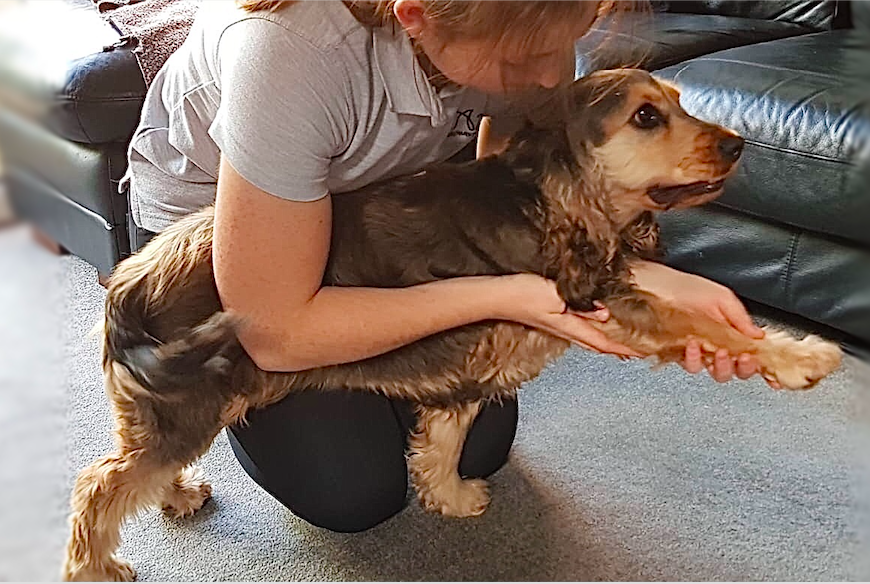
What is Veterinary Physiotherapy?
Veterinary Physiotherapy is a science-based profession, which aims to assess animals in terms of movement and posture in order to aid in the treatment and long-term management of musculoskeletal, neurological and orthopaedic conditions. Veterinary Physiotherapy aims to:
- Reduce pain
- Accelerate healing and recovery
- Improve mobility and function
- Improve sensory awareness
- Improve, maintain and restore muscle strength
- Prevent injury
Who can Benefit?
Similarly to the human industry, Veterinary Physiotherapy can benefit not only elite competition animals, but family pets and working animals. From ageing animals struggling to perform daily activities, to horse’s in training, and those managing long-term conditions – all animals can benefit from Veterinary Physiotherapy!
Routine physiotherapy enables optimal performance and early injury detection.
Conditions which can benefit from Veterinary Physiotherapy:
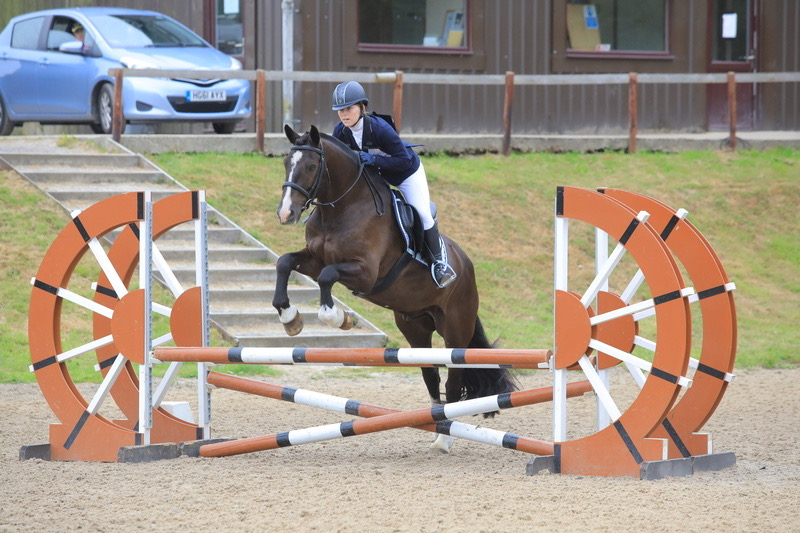
Equine:
- Osteoarthritis
- Soft tissue and musculoskeletal conditions
- Tendon or ligament injuries
- Neurological conditions
- Post-surgical rehabilitation
- Wound healing
- Nerve injuries and neurological conditions
- Poor saddle fit
- Spinal conditions:
– Overriding dorsal spinous processes or ‘Kissing Spines’
– Sacroiliac issues
Canine:
- Cruciate ligament injuries
- Osteoarthritis
- Wound healing
- Hip and elbow dysplasia
- Luxating patella
- Neurological conditions
- Soft tissue and musculoskeletal conditions
- Post-surgical rehabilitation
- Spinal conditions (including intervertebral disc disease)
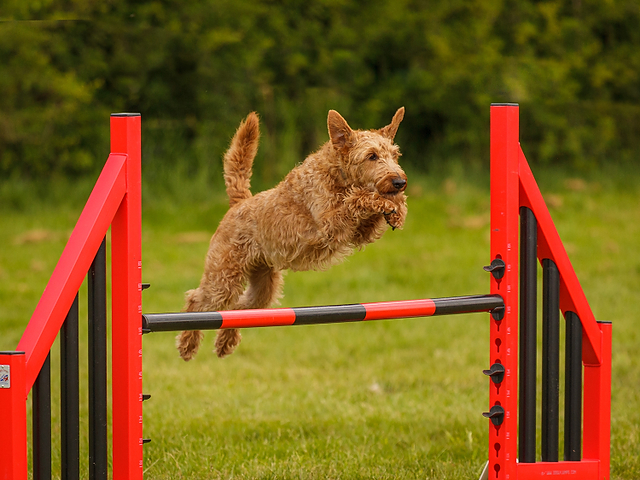
Signs that your animal may benefit from Veterinary Physiotherapy
As owners, it is important to be able to recognise behavioural changes, which may indicate the presence of pain:
In horses this can include:
- Bucking / rearing / napping / head shaking
- Excessive tail swishing
- Decreased performance e.g. refusing fences
- Stiffness
- Alterations in temperament e.g. difficulty being groomed and tacked up
- Lack or uneven muscle tone and topline
- Disunited canter / difficulty cantering on the correct lead
- Saddle slip
In dogs this can include:
- Alterations in behaviour and temperament
- Decreased mobility and enthusiasm e.g. reluctance to play or go up / down stairs
- Difficulty getting up from lying down / sitting
- Stiffness
- Weight shifting and sitting crooked
- Uneven muscle tone
- Sensitivity to touch